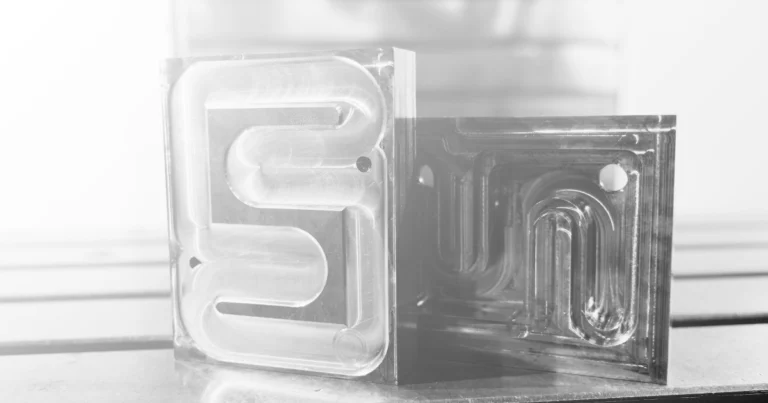
Thermal performance: why FSW is a game-changer in the industry

Friction Stir Welding enhances thermal performance by removing interfaces, enabling high-conductivity joints in aluminum and copper components.
PRACTICAL GUIDE | 5 essential steps to master Friction Stir Welding. GET FOR FREE

Friction Stir Welding enhances thermal performance by removing interfaces, enabling high-conductivity joints in aluminum and copper components.

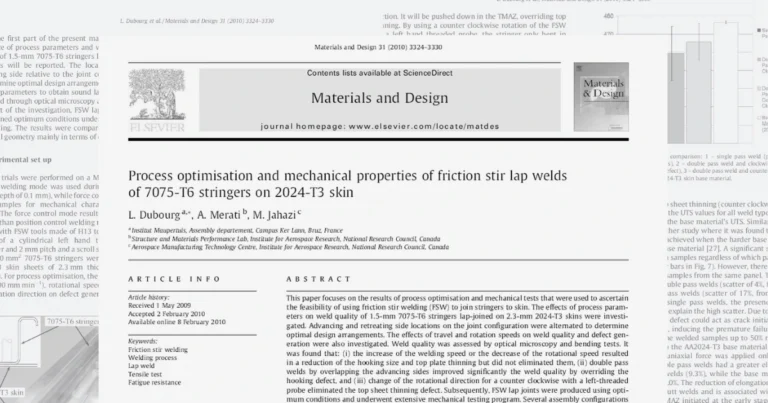
Comparative study of NDI techniques to detect defects in friction stir welds, focusing on lack of penetration in FS butt joints. Download the full article here.
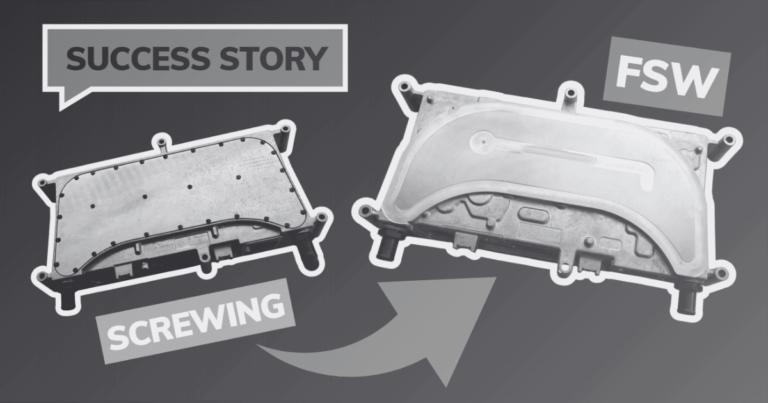
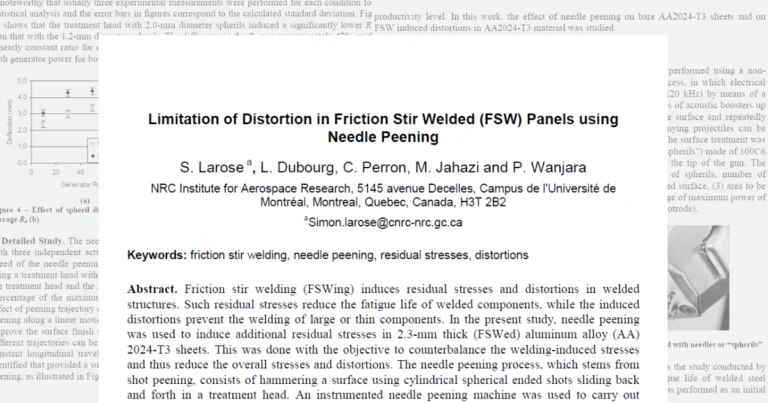
Find out why parts welded by friction stir welding can be deformed and how to remedy this with techniques before, during or after welding.

Discover the unique features of a design and prototyping office specializing in metal welding, such as friction stir welding, and how it plays a key role in an industrial project.

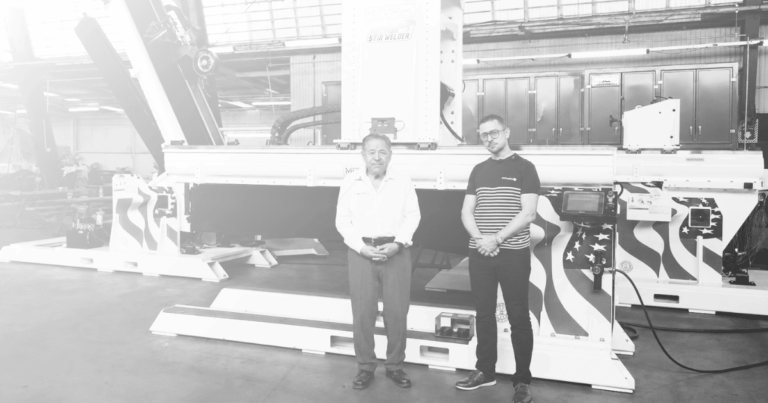
Explore the impact of FSW automation: greater precision, reduced costs, and increased productivity.

TWI and Stirweld are hosting a day focused on tank welding, featuring conferences and demonstrations, in Cambridge, UK.

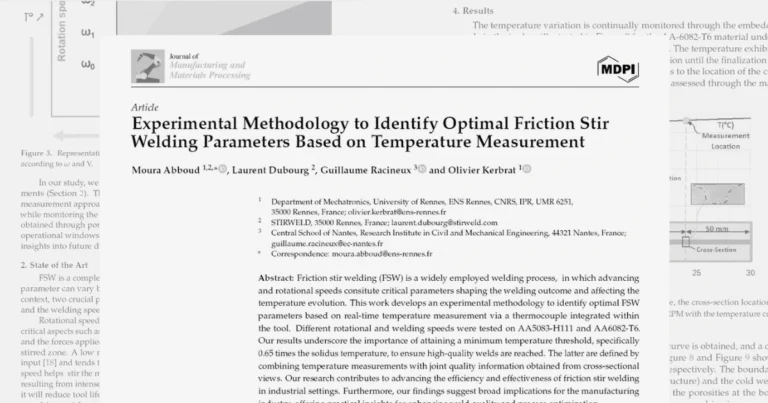
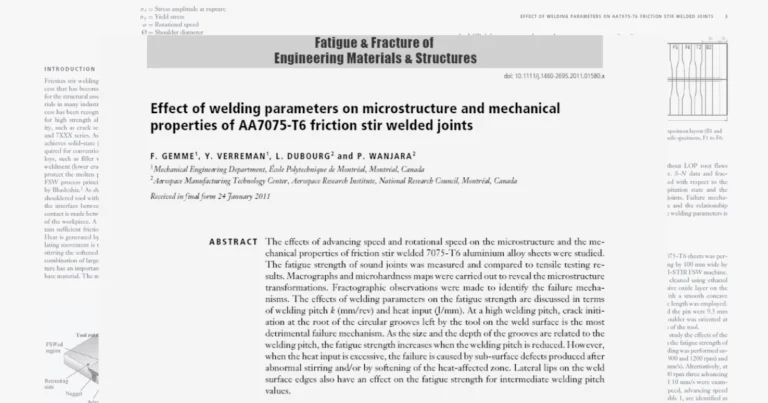
Friction Stir Welding parameters are essentiel to assure the quality of the weld. This is essential for flawless welding.

Quality control in FSW ensures reliable welds. This article reviews key destructive and non-destructive assessment techniques.

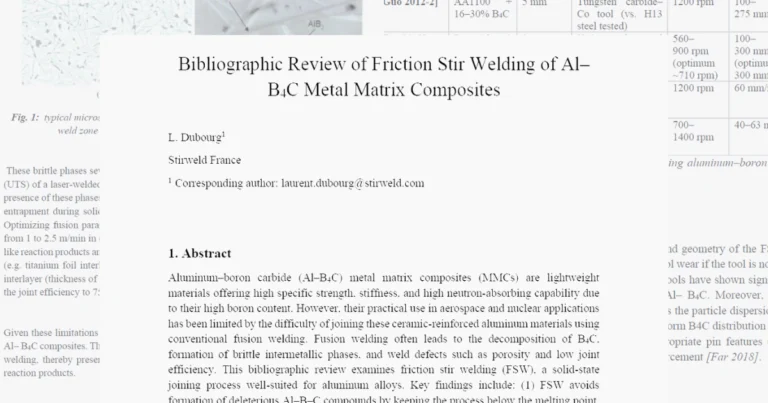
Discover which materials are weldable by Friction Stir Welding (FSW), such as aluminum, copper, magnesium, and more.

Discover the ISO 25239 Standard for welding aluminum using FSW. Learn the essentials and why it should be applied in your aluminum FSW welding operations.