


FSW APPLICATION
Tailor Welded Blanks Welded by FSW
High performance Tailor Welded Blanks (TWB) through Friction Stir Welding for stronger joints, reduced distortion and lightweight designs.
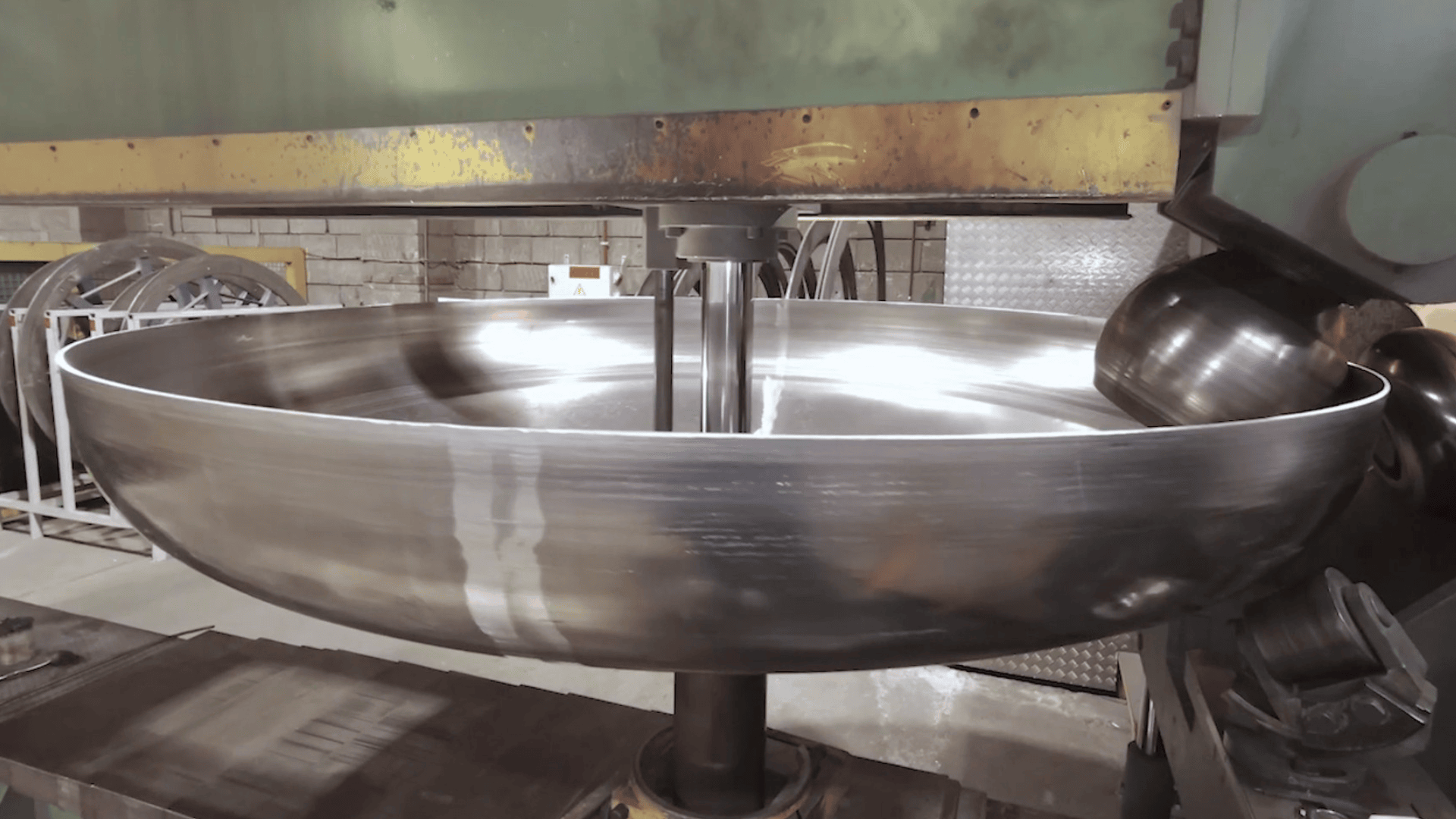
Why Choose Friction Stir Welding for Your Tailor Welded Blanks?
Friction Stir Welding (FSW) enables the production of high quality Tailor Welded Blanks with superior mechanical properties and minimal distortion. Compared with conventional fusion welding processes, FSW delivers stronger joints, greater process stability, and new possibilities for joining advanced lightweight materials.

Stronger Joints
Delivers high joint strength and excellent fatigue performance for demanding structural applications.

Minimal distorsion
Low heat input reduces residual stresses and preserves dimensional accuracy.

Dissimilar material joining
Reliably welds aluminium alloys with different grades or thicknesses.

Defect free welds
Eliminates porosity, hot cracking, and other fusion welding defects for consistent weld quality.
Technical Specifications of FSW-Welded Tailor Welded Blanks
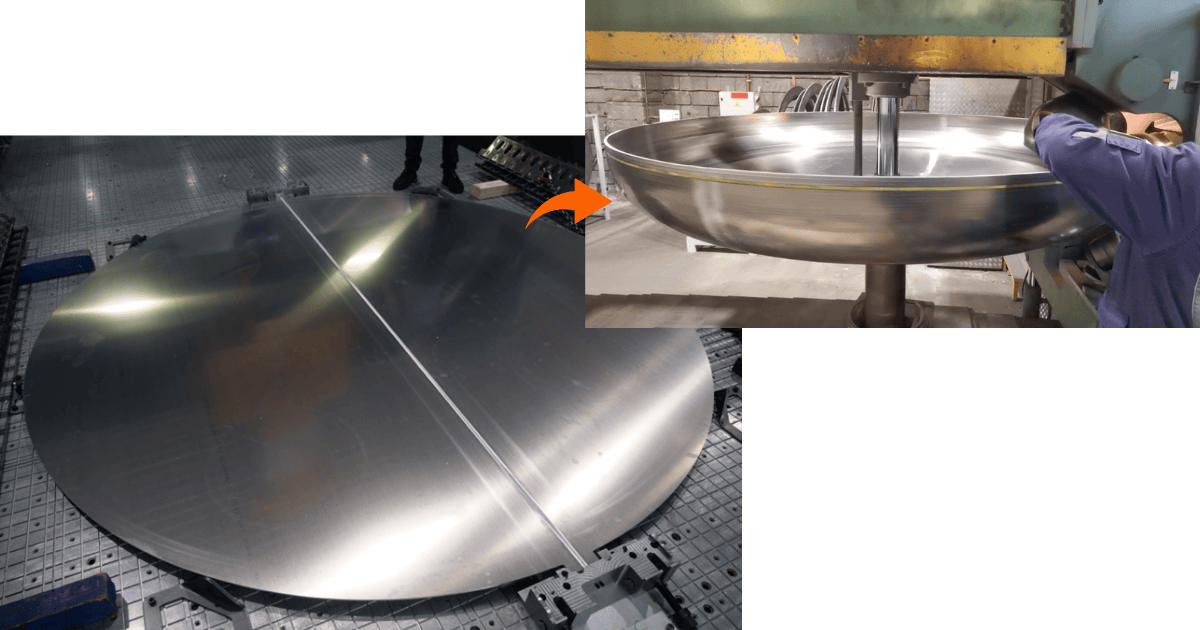
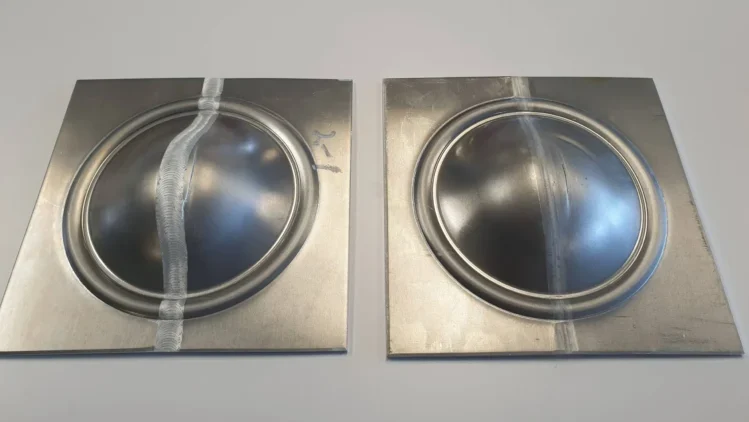
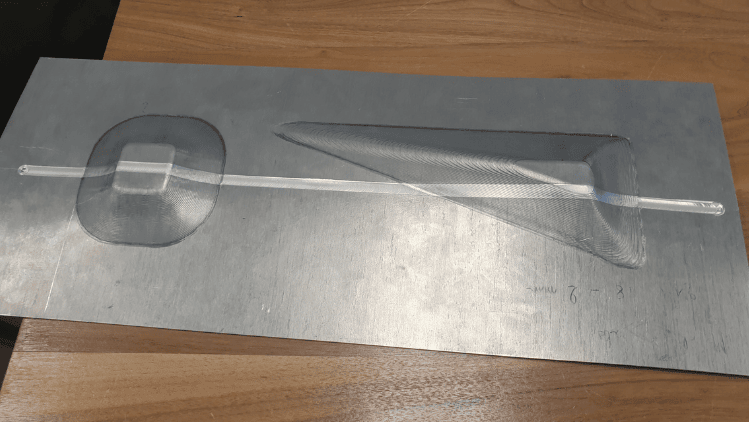
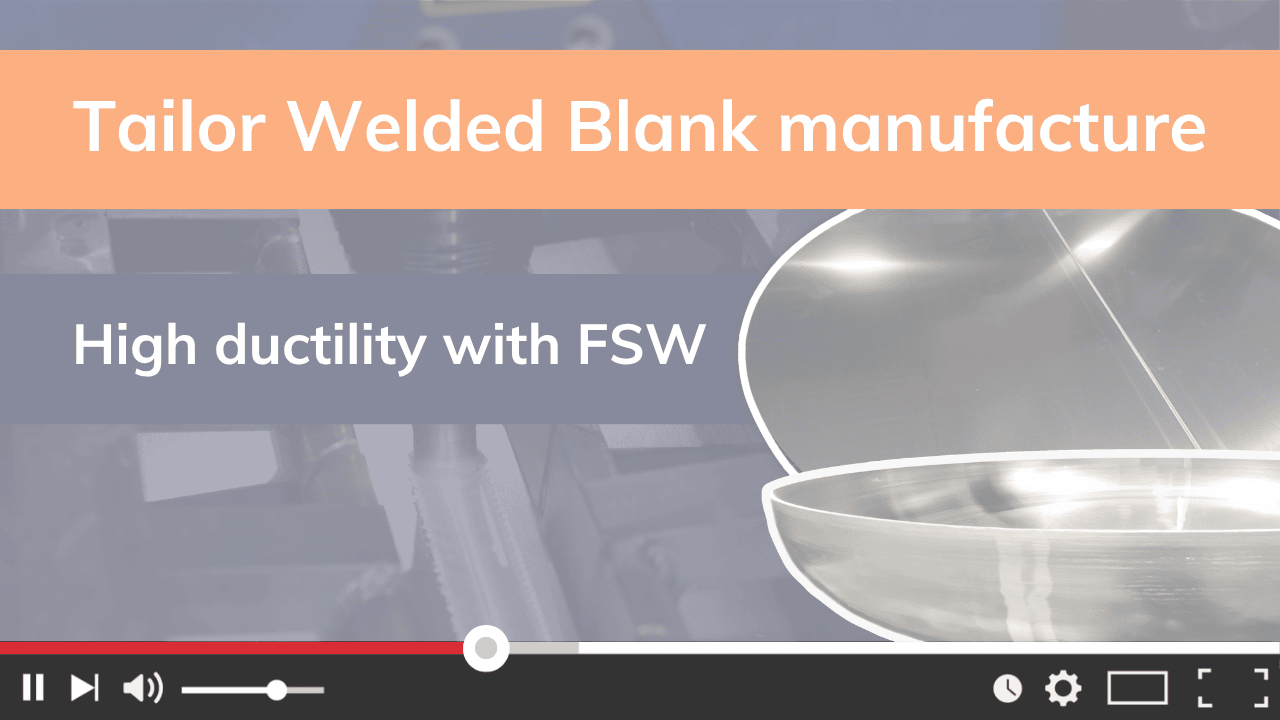
See Friction Stir Welding Applied to Tailor Welded Blanks in Real-Time
Comparing FSW to Traditional Tailor Welded Blank Assembly Techniques
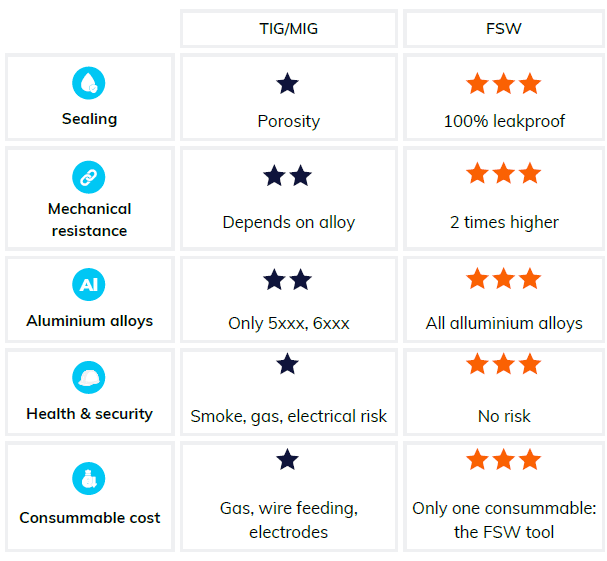
Friction Stir Welding vs. TIG and MIG
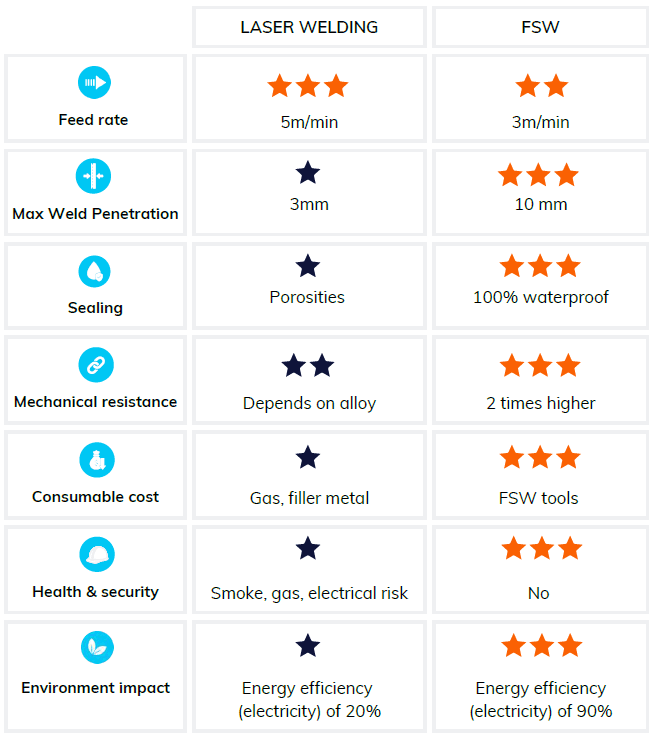
Friction Stir Welding vs. Laser Welding
Tailor Welded Blanks: Key Applications Across Industries
Tailor Welded Blanks enable manufacturers to combine different thicknesses and material properties within a single component, optimizing weight and structural performance. This versatility makes TWBs particularly valuable in industries where lightweight design, strength and material efficiency are essential.

Automotive
Lightweight structural components combining different thicknesses for optimized strength and weight reduction.

Space
Weight-optimized structures designed to meet demanding mechanical performance requirements.

Defense
High-performance structural components combining strength, durability and reduced weight.

Aeronautics
Lightweight structural solutions optimizing material distribution while maintaining mechanical performance.

Railways
Large lightweight structures combining optimized material use with high structural performance.

Shipbuilding
Weight-optimized panels and structures designed for demanding marine applications.
Learn More: Explore FSW Technology
Interested in the technology behind FSW-welded Tailor Welded Blanks? Explore our technical resources to understand the FSW process, key welding parameters, quality control methods, and the steps required for successful industrial implementation.
Webinar – 45 min – Replay on demand
Master the Fundamentals of Friction Stir Welding
Discover the fundamentals of FSW, from process principles and key welding parameters to defect prevention and real industrial applications.
Blog articles – 5 min
Prototyping: an essential step in the choice of welding process
Limitation of Distortion in FSW Panels using Needle Peening
White paper – 20 min
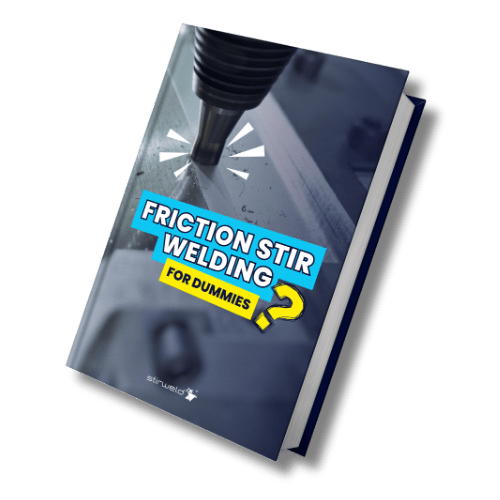
Friction Stir Welding for dummies
Get a clear and accessible introduction to Friction Stir Welding, from its basic principles to its main benefits and industrial applications. An ideal starting point for anyone discovering FSW technology.
White paper – 20 min
5 essential steps to master Friction Stir Welding
Discover the key steps to successfully implement Friction Stir Welding, from defining your project requirements and welding parameters to achieving a reliable and qualified production process.

Ready to Bring FSW to Your Tailor Welded Blanks?
Discover how Friction Stir Welding can improve weld quality, formability and mechanical performance. Our FSW specialists can help you develop a reliable solution tailored to your materials, thicknesses and production requirements.
